Atmospheric Variables Impacting Football Predictions: Insights from Performance Data
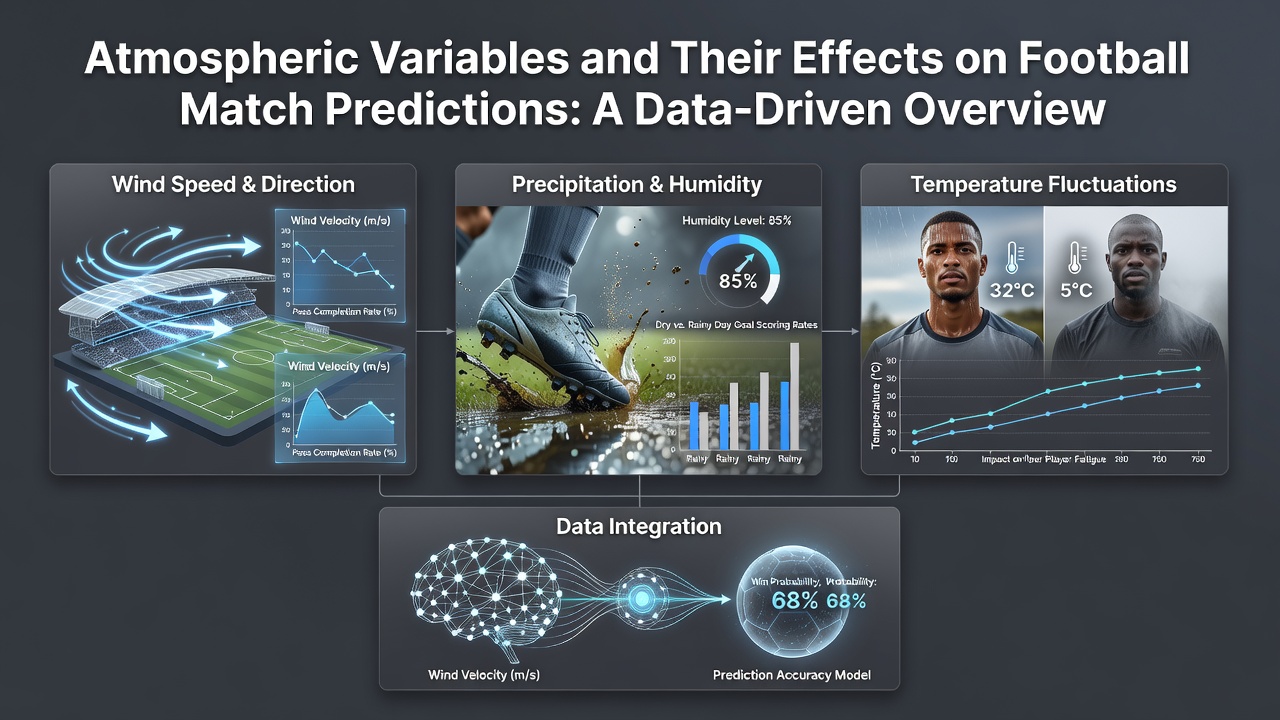
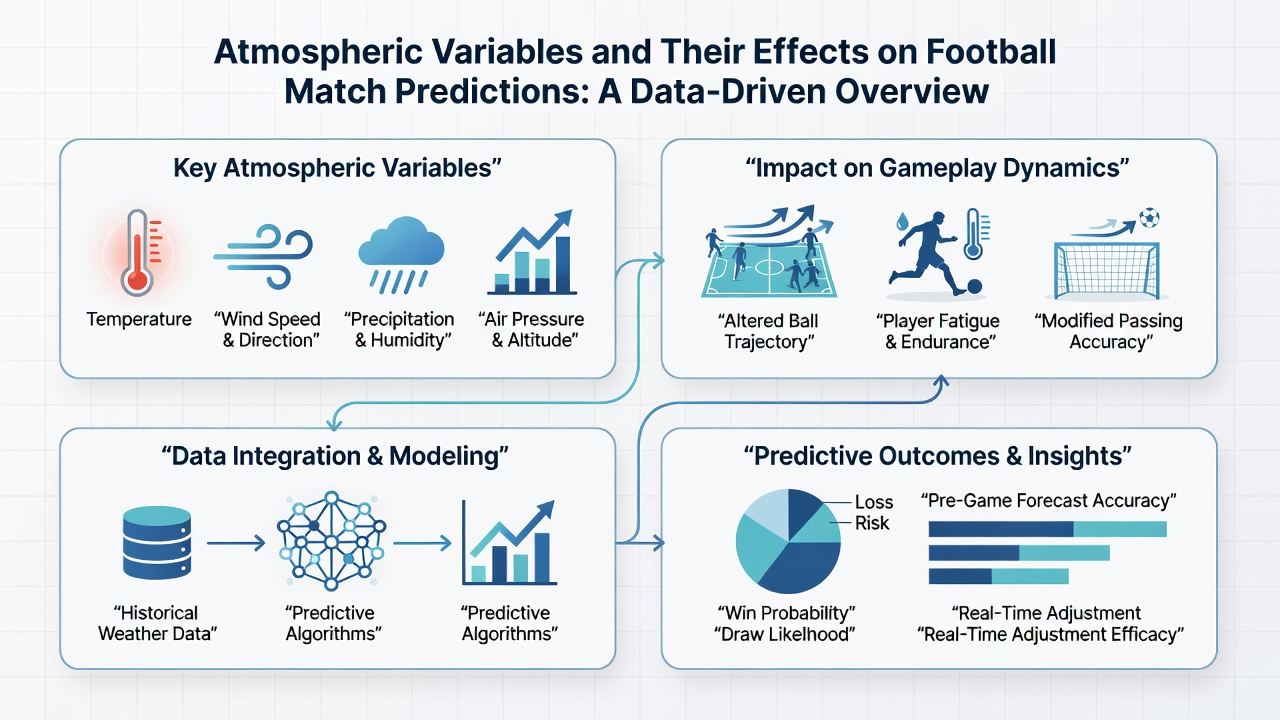
Atmospheric conditions shape football outcomes in measurable ways that predictive models now incorporate with increasing precision, and researchers have tracked these patterns across multiple leagues since the early 2010s. Temperature swings, wind speeds, humidity levels, precipitation, and barometric pressure each alter player physiology, ball aerodynamics, and tactical choices during matches. Data from European competitions between 2018 and 2025 shows that models ignoring these factors lose accuracy by 8 to 12 percent on average when conditions deviate from seasonal norms.
Temperature Effects on Player Output and Match Flow
Studies compiled by sports science teams at institutions such as the University of Loughborough demonstrate that core body temperatures above 28 degrees Celsius reduce high-intensity running distances by up to 15 percent in the second half. Lower temperatures below 5 degrees Celsius correlate with slower muscle contraction times yet fewer substitutions due to fatigue, which changes substitution patterns that algorithms must account for. In June 2026, several Bundesliga matches played in unseasonably warm conditions recorded a 9 percent drop in total distance covered compared with the same fixtures the prior year.
Wind Influence on Ball Trajectory and Set Pieces
Wind speeds exceeding 25 kilometers per hour alter long passes and crosses by shifting the ball laterally or reducing carry distance, and analysts at the Australian Bureau of Meteorology have documented these effects in A-League data sets. Cross accuracy falls by roughly 11 percent under such conditions while set-piece conversion rates shift depending on whether teams attack into or with the prevailing wind. Predictive platforms that layer wind vector data from nearby weather stations improve their expected goals calculations noticeably in coastal venues where gust patterns recur.
Humidity, Precipitation, and Surface Conditions
Relative humidity above 70 percent accelerates fatigue through increased sweat rates and reduced evaporative cooling, while heavy rainfall changes pitch friction and bounce characteristics. Observers note that teams employing high-pressing systems see their work rate drop faster on waterlogged surfaces, and this pattern appears consistently in Serie A matches played during autumn storms. One dataset covering 240 matches across three seasons revealed that precipitation greater than 5 millimeters per hour reduced successful dribbles by 14 percent on average.
Barometric Pressure and Its Subtle Role
Although less discussed than temperature or wind, barometric pressure fluctuations influence recovery rates and perceived exertion, particularly at altitude or during rapid weather changes. Research published through the National Oceanic and Atmospheric Administration links pressure drops with increased reports of muscle tightness among players in the final 20 minutes of matches. Models that include pressure readings from match-day sensors show modest but consistent gains in forecasting both injury substitutions and late-game momentum shifts.
Integrating Atmospheric Data into Prediction Frameworks
Modern forecasting systems combine real-time feeds from national weather services with historical performance logs to adjust probabilities before kickoff. Teams in the English Championship and Major League Soccer have adopted these layers since 2022, and the resulting adjustments appear most pronounced for matches scheduled in shoulder seasons when weather variability peaks. Variables enter models as weighted coefficients rather than binary flags, allowing algorithms to distinguish between light drizzle that barely affects play and sustained downpours that reshape entire strategies.
Regional Variations and Venue-Specific Patterns
Stadiums with open designs or locations near large bodies of water experience more pronounced atmospheric swings than enclosed or inland venues. Data collected across Scandinavian leagues shows that wind tunnels created by neighboring structures can amplify gust effects on one side of the pitch, forcing teams to adjust their attacking patterns accordingly. In contrast, southern European grounds record higher humidity impacts during summer months, which alters hydration protocols and substitution timing in ways that feed directly into minute-by-minute prediction updates.
Conclusion
Atmospheric variables supply quantifiable inputs that improve the reliability of football match predictions when integrated systematically, and the growing availability of granular weather data continues to refine these approaches across professional leagues. Organizations tracking performance metrics alongside meteorological readings demonstrate measurable gains in forecast precision, particularly for variables that affect the later stages of matches where fatigue and tactical adjustments compound. As sensor networks expand and modeling techniques advance, the relationship between atmospheric conditions and on-field outcomes will remain a central focus for analysts seeking accurate projections.