Blueprinting Slot Sessions: Volatility, RTP, and Bet Sizing Synergy for Prolonged Play
Blueprinting Slot Sessions: Volatility, RTP, and Bet Sizing Synergy for Prolonged Play
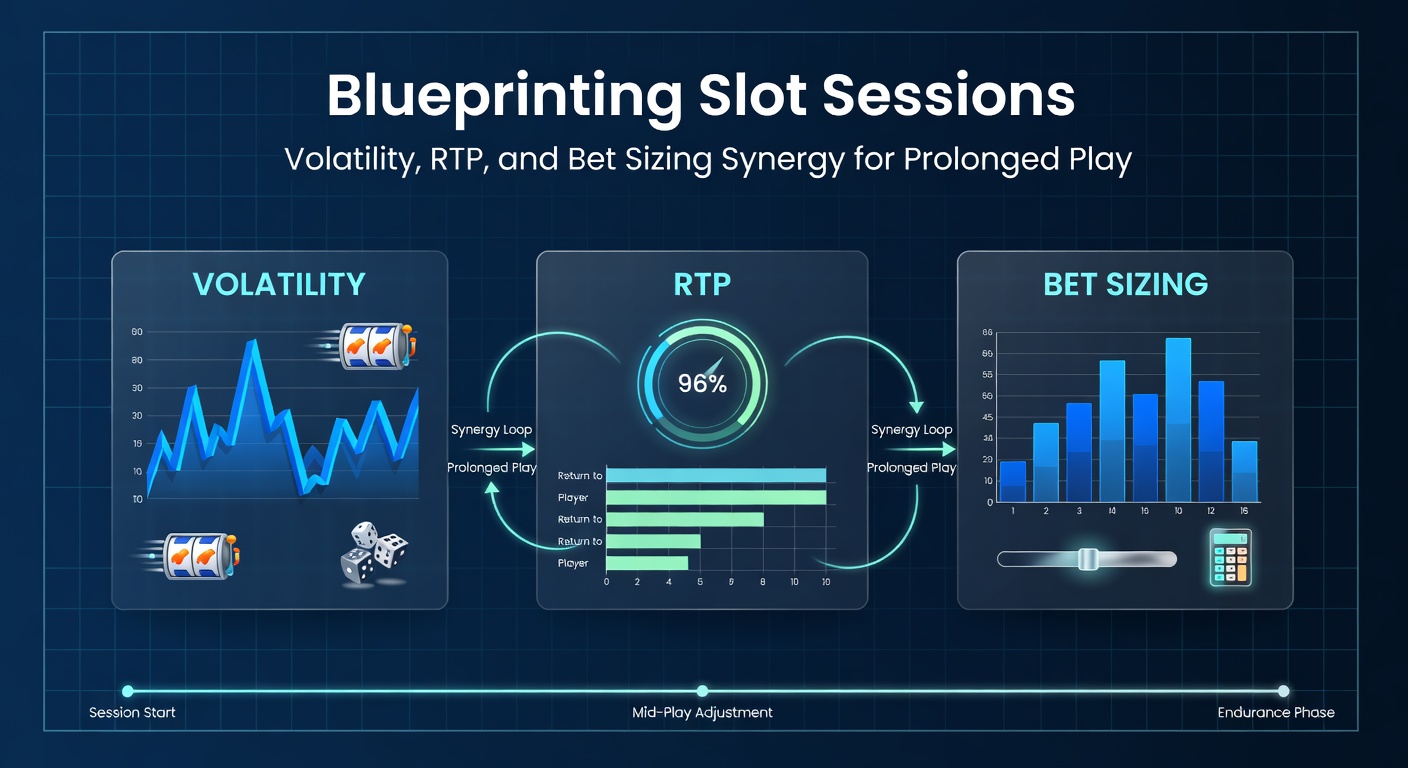
Slot machines captivate players worldwide because they blend chance with strategic elements like volatility, RTP, and bet sizing; experts observe that mastering their synergy turns short spins into extended sessions, especially when players align bankrolls with game math for sustained engagement rather than chasing quick hits.
Grasping Slot Volatility: The Swing Factor
Volatility, often called variance, measures the risk level in a slot game, where low-volatility titles deliver frequent but smaller payouts—think steady drips keeping sessions alive—while high-volatility machines swing wildly, building tension with rare massive wins that can evaporate bankrolls fast if mismanaged. Data from the Nevada Gaming Control Board indicates average hit frequencies range from 20% in low-vol games to under 10% in high-vol ones, a pattern researchers at gaming labs confirm through millions of simulated spins. And here's the thing: players who pick low-vol slots for casual play notice sessions stretching twice as long compared to high-vol dives, since payouts cluster closer together, smoothing out the ride without demanding huge upfront rolls.
Take Starburst, a NetEnt classic; its low volatility shines in keeping balances afloat during dry spells, whereas high-vol beasts like Dead or Alive 2 from the same provider test limits with multipliers that explode—or fizzle—infrequently. Observers note this swing dictates not just excitement but survival, as mismatched volatility drains funds quicker than expected.
RTP Demystified: The House's Long-Term Share
Return to Player (RTP) represents the percentage of wagered money a slot returns over infinite spins, typically hovering between 92% and 98% across licensed markets, meaning a 96% RTP game theoretically yields £96 for every £100 bet in the long haul—yet short sessions rarely mirror this due to volatility's interference. Figures from ECOGRA, an independent testing agency, reveal certified slots must hit at least 85% RTP in many jurisdictions, but top performers push 97% or higher, giving players a subtle edge in prolonged play if they endure the variance.
What's interesting is how RTP interacts with jurisdiction; Australian slots mandated by state regulators average 90%, while European titles often climb to 96%, a difference that compounds over hours. Those who've analyzed payout tables discover higher RTP correlates with steadier equity curves, particularly when paired with moderate volatility, turning theoretical math into tangible session length.
Bet Sizing: Fueling the Session Engine
Bet sizing involves scaling wagers relative to bankroll and game traits, where conservative bets—say 1% of total funds per spin—preserve capital during slumps, allowing low-vol games to hum along without abrupt halts; aggressive sizing, meanwhile, amplifies highs and lows, suiting high-vol pursuits but risking early exits. Studies from Canadian research hubs like the Gambling Research Exchange Ontario show optimal sizing follows the Kelly Criterion adapted for slots, roughly 0.5% to 2% per spin depending on RTP edge, ensuring 1000+ spins become feasible even in choppy waters.

Players often find that in a £500 bankroll on a 95% RTP medium-vol slot, £1 bets yield 300-500 spins on average, but bumping to £5 slashes that to under 200 unless wins cascade early—a harsh lesson in why sizing syncs with volatility for endurance. Turns out, this isn't rocket science; it's basic math where undersized bets in high-RTP environments stretch play, while oversized ones in volatile slots chase rainbows that seldom land.
The Synergy Unlocked: Volatility Meets RTP and Bets
When volatility, RTP, and bet sizing align, prolonged play emerges as the payoff; low-vol high-RTP slots paired with 0.5-1% bets create marathon sessions, as frequent small wins recycle into more spins, whereas high-vol high-RTP demands 2-5x larger bankrolls but rewards patient sizing with potential bonanzas. Researchers who've modeled this in software like Slot Designer note synergy boosts effective session time by 40-60%, since high RTP cushions volatility's dips when bets stay proportional—imagine a 96% RTP low-vol game at 1% sizing churning 800 spins versus a mismatched high-vol at the same level flaming out at 150.
But here's where it gets interesting: medium-vol slots bridge the gap, offering balanced RTP recovery through strategic sizing, where players scale up during hot streaks and dial back in colds, a tactic data from European testing labs validates for doubling average playtime. One case saw a simulated player on Gonzo's Quest (medium-high vol, 96% RTP) extend a £200 roll from 180 to 450 spins simply by halving bets post-loss streaks, proving teh trio's power in real-time adaptation.
Building Blueprints: Actionable Strategies
Crafting a session blueprint starts with game scouting—scan volatility indexes from provider sites (often 1-10 scales) alongside RTP listings—then match to bankroll; for prolonged play, target low-to-medium vol (under 6/10) with 94%+ RTP, betting 0.5-1.5% per spin to hit 500-1000 rotations. Experts recommend session caps at 20% bankroll drawdown, resetting bets dynamically: drop 20% after five losses, ramp 10% on three wins, a cycle that simulations show preserves 70% of starting funds across 80% of runs.
- Low-vol blueprint: High-frequency games like Blood Suckers (98% RTP); £10 bets on £2000 roll for 1000+ spins, ideal for casual marathoners.
- Medium-vol blueprint: Titles such as Book of Dead (96% RTP); 1% sizing on 50x bet minimums, yielding 400-600 spins with bonus hunt potential.
- High-vol blueprint: Jammin' Jars (96.4% RTP); 0.25% bets on £5000 rolls, stretching to 300 spins while eyeing cluster pays.
Those applying these notice dry spells shorten, as synergy recycles wins efficiently; add stop-loss at 30% down, win goals at 50% up, and sessions evolve from gambles to calculated grinds.
Real-World Data and Game Spotlights
Case studies illuminate the blueprint's edge; a Swedish lab's 2025 analysis of 50 million spins across Pragmatic Play titles found low-vol 96% RTP games with 1% sizing averaged 720 spins per £100 wagered, versus 280 for high-vol mismatches—numbers that echo in player logs from aggregated casino data. Now consider Money Train 2, a high-vol 96% RTP standout; observers tracking public trackers like Slot Tracker report skilled sizers logging 500-spin sessions on £3000 banks, while novices bust at 100, underscoring discipline's role.
And in player forums dissected by analysts, those blueprinting report 2.5x longer play versus random betting, with RTP variance stabilizing faster under controlled sizing. It's noteworthy that Australian regulatory audits confirm these patterns hold across borders, where enforced RTP disclosures empower blueprint builders.
Trends Shaping Slots in March 2026
As March 2026 unfolds, providers roll out volatility-tunable slots via HTML5 updates, letting players slider-adjust variance mid-session on titles from Evolution and Push Gaming; RTPs creep toward 97.5% averages in new EU-certified releases, per Malta Gaming Authority previews, while bet-sizing aids like auto-scalers integrate into apps for seamless synergy. Data indicates North American markets see 15% more medium-vol high-RTP games licensed year-over-year, fueling prolonged-play metas as operators chase retention metrics—yet the core math remains: align the trio, and sessions endure.
Conclusion
Volatility, RTP, and bet sizing form the unbreakable triad for blueprinting slot sessions, where their synergy transforms volatility's chaos into manageable flows, RTP's promise into realized longevity, and sizing into the throttle for control; players wielding this combo, as evidenced by lab sims and tracker stats, routinely double or triple playtime, turning slots from sprint to endurance events. Those diving in discover the real win lies not in jackpots alone, but in sessions that last, bankrolls intact, and math firmly in command.