Examining RNG Verification Processes and Their Impact on Trust in Licensed Gaming Sites
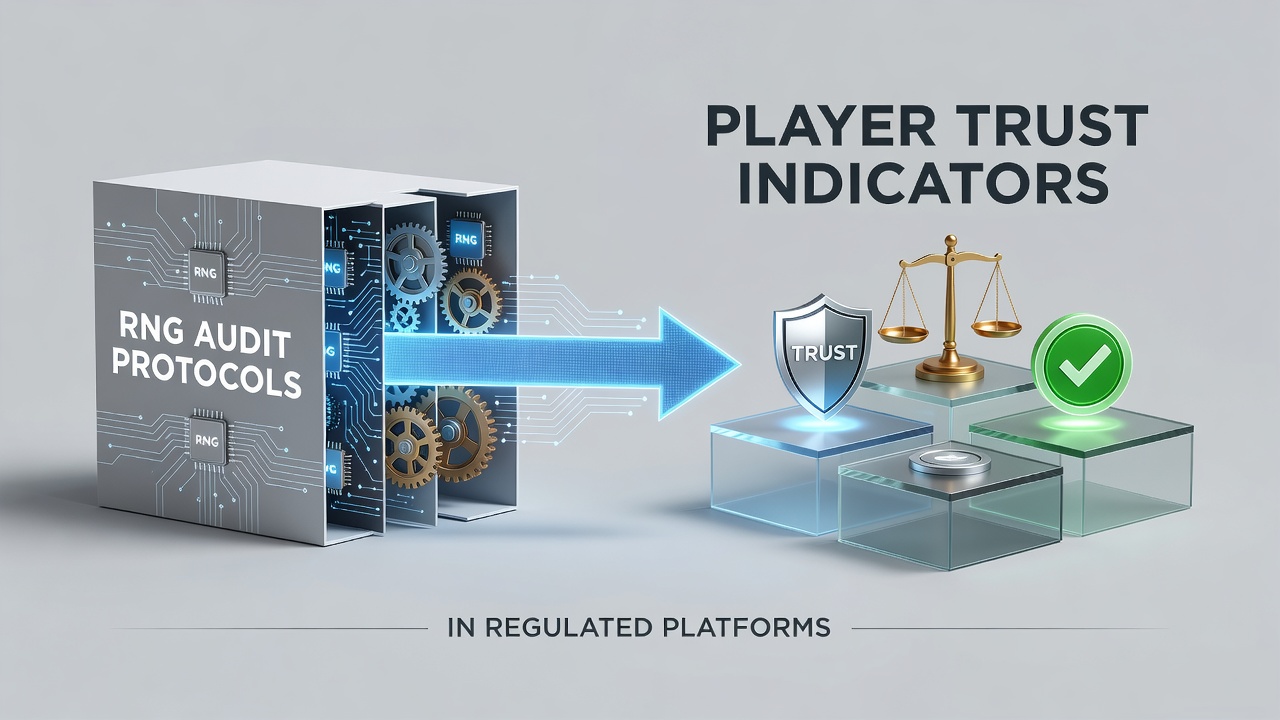
Random number generators form the backbone of fairness across digital casino games, lotteries, and online slots, where algorithms produce outcomes that must remain unpredictable and unbiased. Regulated platforms submit these systems to independent testing labs that verify statistical randomness through multiple evaluation stages, and data from those reviews feeds directly into player-facing trust signals such as certification seals and compliance dashboards.
Core Components of RNG Audit Protocols
Laboratories assess generators against standards issued by bodies including the Nevada Gaming Control Board and iGaming Ontario, which require passing tests for uniformity, independence, and resistance to prediction. Technicians run millions of simulated outcomes, apply chi-square and serial correlation analyses, then examine source code for hidden patterns or external influences, while hardware-based generators undergo physical entropy measurements that confirm true randomness from thermal or quantum sources.
Certification cycles typically span every six to twelve months, and any firmware update triggers a fresh review round. Observers note that platforms maintaining continuous monitoring programs receive additional audit points because real-time logging allows rapid detection of deviations before they affect player sessions.
From Audit Results to Player Trust Indicators
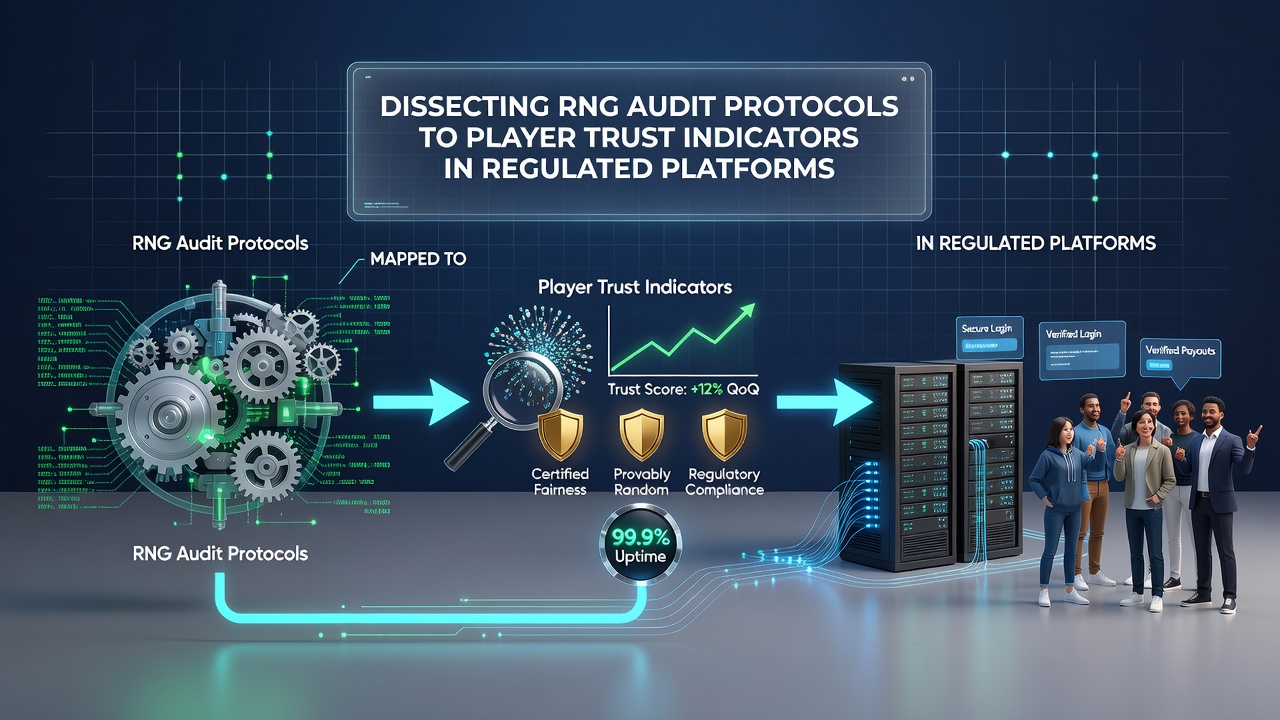
Once a generator passes, platforms display seals from accredited labs such as GLI or BMM Testlabs, and these badges link to public verification pages where users can confirm the latest report dates. Research indicates that sites presenting clear certification histories experience higher retention rates because players associate visible audit trails with reduced manipulation risk.
Trust indicators extend beyond static logos into dynamic elements like RTP percentage disclosures and independent fairness scorecards that update quarterly. Figures from a 2025 industry report show that 78 percent of surveyed operators in North America and Australia now integrate these live metrics into account dashboards, giving players immediate access to performance data across game categories.
Regional Regulatory Approaches
European jurisdictions emphasize third-party audits under the Malta Gaming Authority framework, whereas Australian states rely on state-specific technical requirements enforced by liquor and gaming commissions. Canadian provinces such as Ontario have introduced centralized registries that publish audit summaries in machine-readable formats, allowing third-party analysts to aggregate compliance trends across multiple operators.
In July 2026, several North American regulators plan to align their RNG testing suites with an updated NIST randomness beacon standard, which introduces new entropy validation methods for cloud-hosted generators. Platforms that complete early adoption receive expedited certification timelines, and early adopters already report smoother approval processes during routine inspections.
Technical Challenges and Emerging Solutions
Cloud-based gaming introduces latency and multi-tenant architecture concerns that traditional lab tests must now address through virtualized environments and containerized audit tools. Experts have observed that quantum random number generators, while promising higher entropy levels, require specialized validation protocols because classical statistical tests alone cannot fully confirm quantum properties.
Blockchain-based transparency layers are gaining traction as supplementary indicators, where hash chains of game outcomes become publicly verifiable without exposing proprietary algorithms. One study released by a European research consortium found that platforms combining traditional RNG audits with distributed ledger records reduced dispute resolution times by an average of 34 percent.
Player Behavior and Indicator Effectiveness
Surveys conducted by independent research firms reveal that players actively check certification status before depositing larger amounts, and mobile users prefer trust indicators integrated directly into game lobbies rather than buried in footer links. Data shows that clear visual cues such as color-coded compliance scores increase engagement with responsible gaming tools because users perceive the platform as more accountable overall.
Conclusion
RNG audit protocols serve as the foundation for measurable trust indicators that regulated platforms use to demonstrate ongoing compliance and operational integrity. As testing methodologies evolve and regional standards converge, these processes continue to shape how players evaluate and select licensed gaming environments across multiple jurisdictions.