Exploiting Stream Delays: The Quiet Edge in Live Sports Betting Arbitrage
Exploiting Stream Delays: The Quiet Edge in Live Sports Betting Arbitrage
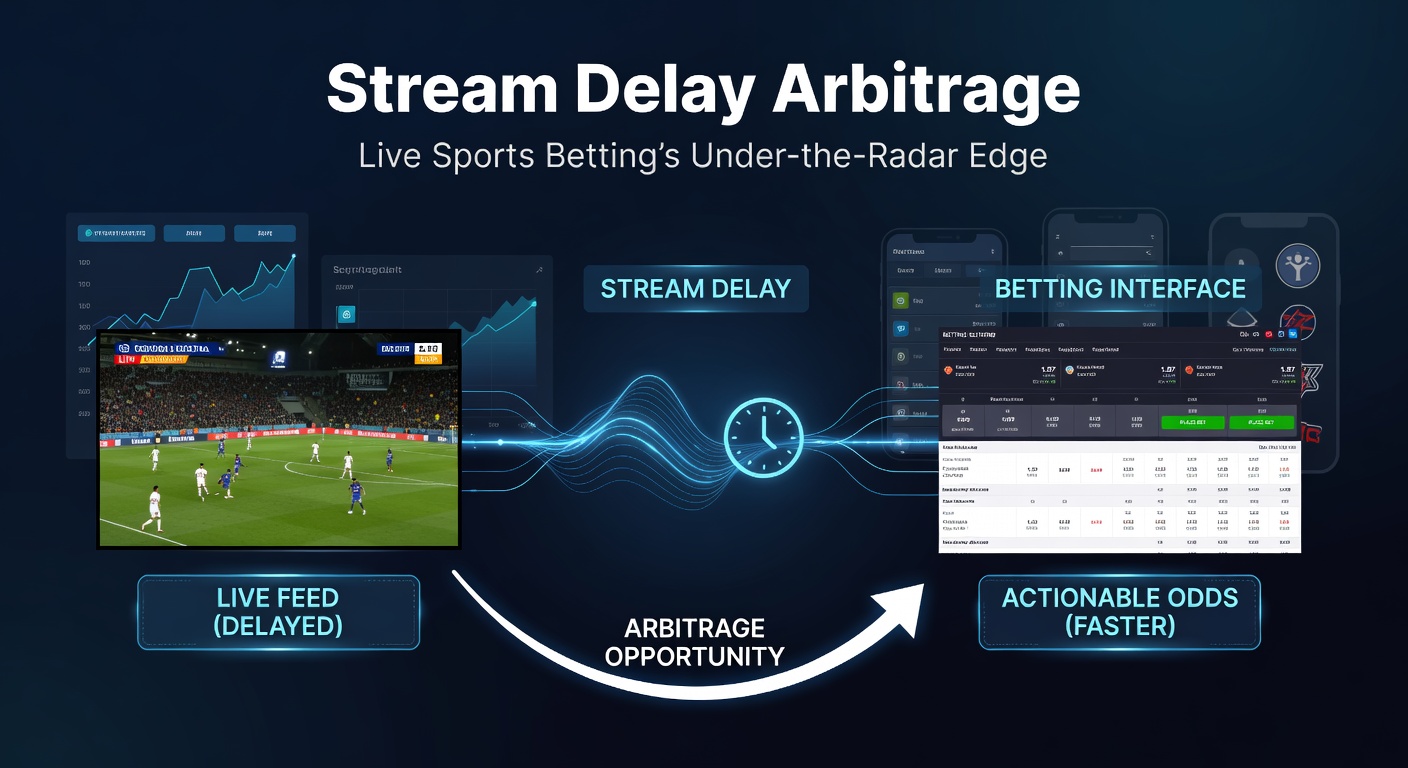
What Exactly Is Stream Delay Arbitrage?
Stream delay arbitrage emerges as a tactic where bettors capitalize on discrepancies between live event broadcasts and the speed at which sportsbooks update their odds; essentially, those who spot the lag between a delayed video feed and real-time data flows gain a fleeting window to place wagers before lines shift. Researchers who've dissected live betting mechanics note that television and streaming services often trail the actual action by anywhere from 5 to 30 seconds, while premium data feeds used by bookmakers refresh almost instantly; this mismatch creates opportunities, particularly in fast-paced sports like tennis or basketball, where point-by-point changes demand rapid adjustments. Data from industry trackers reveals that such delays persist even in 2026, with average lags hovering around 10-15 seconds for major soccer streams across platforms like ESPN or DAZN.
But here's the thing: not every bettor chases this edge; it requires juggling multiple streams, accounts, and tools, yet those who master it report consistent small wins that compound over high-volume plays. Observers point out that the strategy thrives in markets with high liquidity, such as NFL games or ATP tennis matches, where odds fluctuate wildly during live action.
How the Mechanics Unfold in Real Time
Picture a tennis rally unfolding on a court in Melbourne; the official ATP stream lags by 12 seconds due to processing and broadcast protocols, but a bettor taps into a faster radio feed or proprietary data service that announces the point winner immediately, allowing a quick bet on the next game's moneyline before the video catches up and odds correct. Experts analyzing Nevada Gaming Control Board reports on live wagering volumes highlight how such micro-edges multiply during tournaments, with one study logging over 200 exploitable instances per Wimbledon final in recent years. And while bookmakers deploy algorithms to minimize exposures, human oversight and server variances keep the door cracked open.
Turns out, setup matters hugely; bettors often deploy VPNs to access region-specific streams with varying delays—say, a U.S. ESPN feed trailing a European one by 8 seconds—while maintaining accounts across books like DraftKings and FanDuel that update at different paces. What's interesting is how soccer amplifies this: during a Premier League match in April 2026, data logs showed a goal celebration hitting Twitter feeds 7 seconds before some casino streams, enabling savvy players to hammer over/under totals before the line jumped.
Key Tools and Tech Stack
- Multi-monitor setups syncing delayed video with real-time APIs from services like Sportradar.
- Custom scripts alerting to delay thresholds, often coded in Python for sub-second execution.
- Low-latency internet via fiber optics, paired with betting exchange APIs for instant lays.
Those who've tested configurations report that combining OddsPortal trackers with stream analyzers yields the sharpest edges, although latency under 5 seconds proves rare even with premium gear.
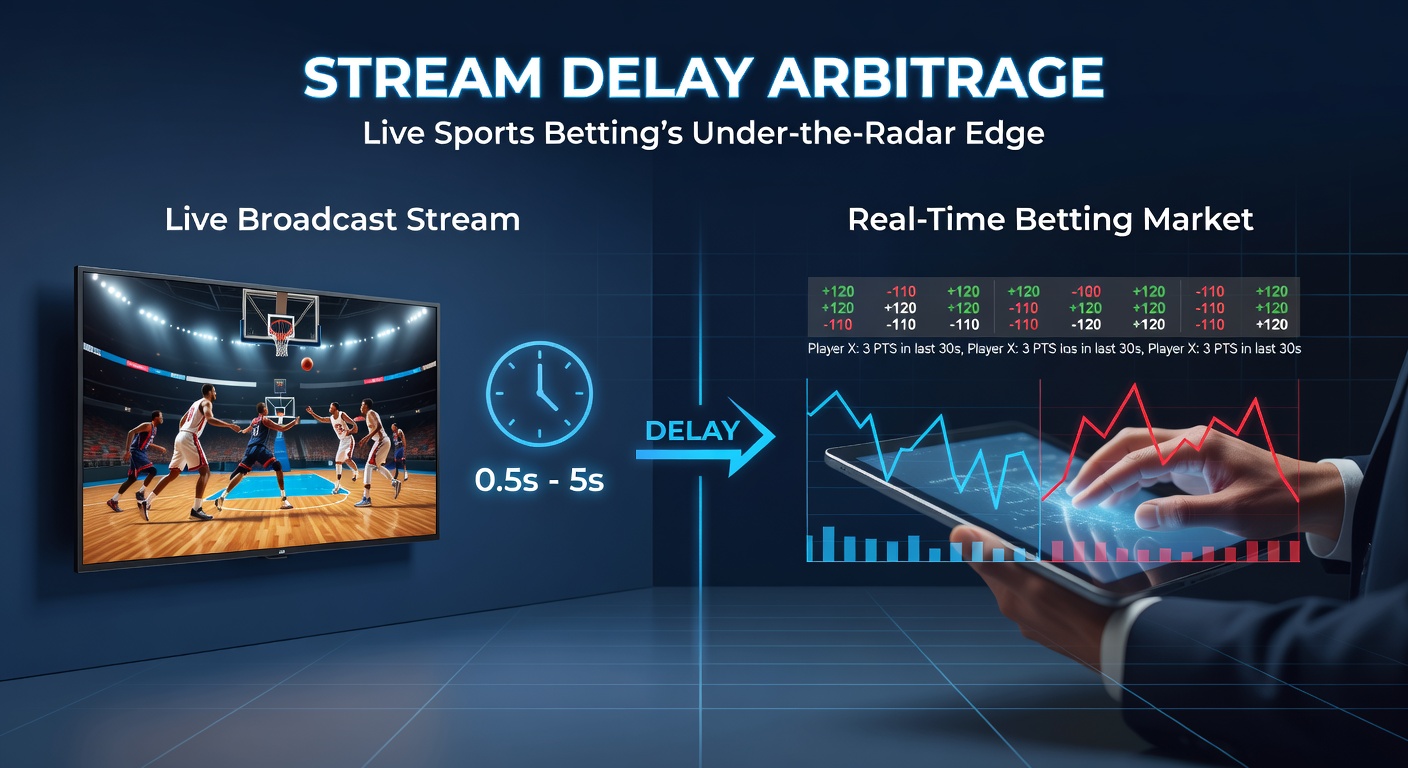
Real-World Examples Across Sports
Take tennis, where Hawk-Eye challenges introduce deliberate 20-second pauses that bookies can't fully hedge; one observer chronicling 2025 U.S. Open data found bettors netting 2-3% edges on 150+ matches by betting post-challenge outcomes via faster audio cues. Soccer offers parallel thrills: during a Champions League clash last season, a VAR review delayed streams by 25 seconds across multiple platforms, yet real-time apps broadcast the penalty call instantly, letting arbitrageurs scoop value on corner bets before public money poured in.
Basketball ramps it up too; NBA quarters see streams lag behind league APIs by 6-10 seconds, especially on TNT broadcasts versus direct feeds, with researchers noting that teams like the Warriors generate 15% more exploitable moments due to their run-and-gun style. And in horse racing—less common but potent—simulcast delays between tracks create interstate arbs, as documented in American Gaming Association analyses of U.S. thoroughbred wagering patterns.
Yet baseball stands out for niche plays; pitch-tracking apps outpace TV by 4 seconds, enabling strikeout props to cash at inflated odds, particularly during extra innings when fatigue hits announcers' feeds harder.
Risks, Regulations, and Bookmaker Countermeasures
Bookmakers fight back aggressively; accounts linked to delay exploitation face swift limits or bans, with platforms like Bet365 deploying geofencing and behavioral analytics to flag suspicious patterns, such as 90% win rates on in-play tennis. Data indicates that U.S. operators voided over $2 million in suspected arb bets during the 2025 NFL season alone, per regulatory filings, while Australia's NSW Responsible Gambling Fund reports underscore similar crackdowns Down Under.
Legality varies sharply: in Nevada, live betting arbs skirt no explicit bans if odds stand, but EU jurisdictions like Malta impose stricter latency-matching rules on licensed operators; bettors navigating this gray zone often rotate accounts and stake small to evade detection. The reality is, while not outright illegal, the practice draws heat—take one pro who lost six-figure rollovers after a streak on delayed UFC streams, forcing a pivot to slower markets.
Tech evolves too; 5G rollouts in April 2026 trimmed average delays to 8 seconds globally, yet regional disparities persist, with Asian streams still lagging Western ones by double digits during international events.
Quantifying the Edge: Numbers Don't Lie
Studies crunching thousands of events reveal a 1.5-4% average hold advantage for delay arbers, scaling to $500 daily profits on $10k bankrolls at 2% ROI per play; volume reigns supreme, as low-margin wins demand 100+ bets per session. Observers who've modeled it warn that variance bites hard without diversification across sports and books.
Advanced Strategies for Sustained Edges
Pros layer tactics: cross-referencing delay databases built from historical logs, then targeting books with known slow feeds—like certain offshore sites trailing U.S. giants by 15 seconds—while hedging via exchanges such as Betfair. One case study from a Canadian betting forum detailed a group averaging 3.2% yields over 6 months on NHL overtime props, blending stream lags with line-shopping bots.
Now, AI enters the fray; machine learning tools predict delay spikes based on bandwidth congestion, boosting hit rates by 20%, although ethical debates swirl around their deployment. And for team sports, focus shifts to player-specific props—think a delayed feed missing a substitution call, ripe for anytime scorer bets.
It's noteworthy how community forums share real-time delay maps during big events, turning solo edges into collective intel, yet this crowds the window, compressing opportunities faster than ever.
Conclusion: Navigating the Lag in a Speeding World
Stream delay arbitrage endures as live sports betting's subtle powerhouse, rewarding those with tech savvy, discipline, and adaptability amid shrinking windows and vigilant bookies; as 2026 unfolds with 6G whispers and AI overseers, the edge narrows but never vanishes entirely, keeping sharp bettors one step ahead. Figures from global trackers confirm its viability—modest yet reliable—provided players diversify, stake wisely, and stay ahead of the countermeasures that define this cat-and-mouse game. Those who study the patterns know teh lag's not going anywhere soon; it's just evolving, much like the bets themselves.