How Spatial Designs in Multi-Game Venues Direct Player Selections and Behaviors
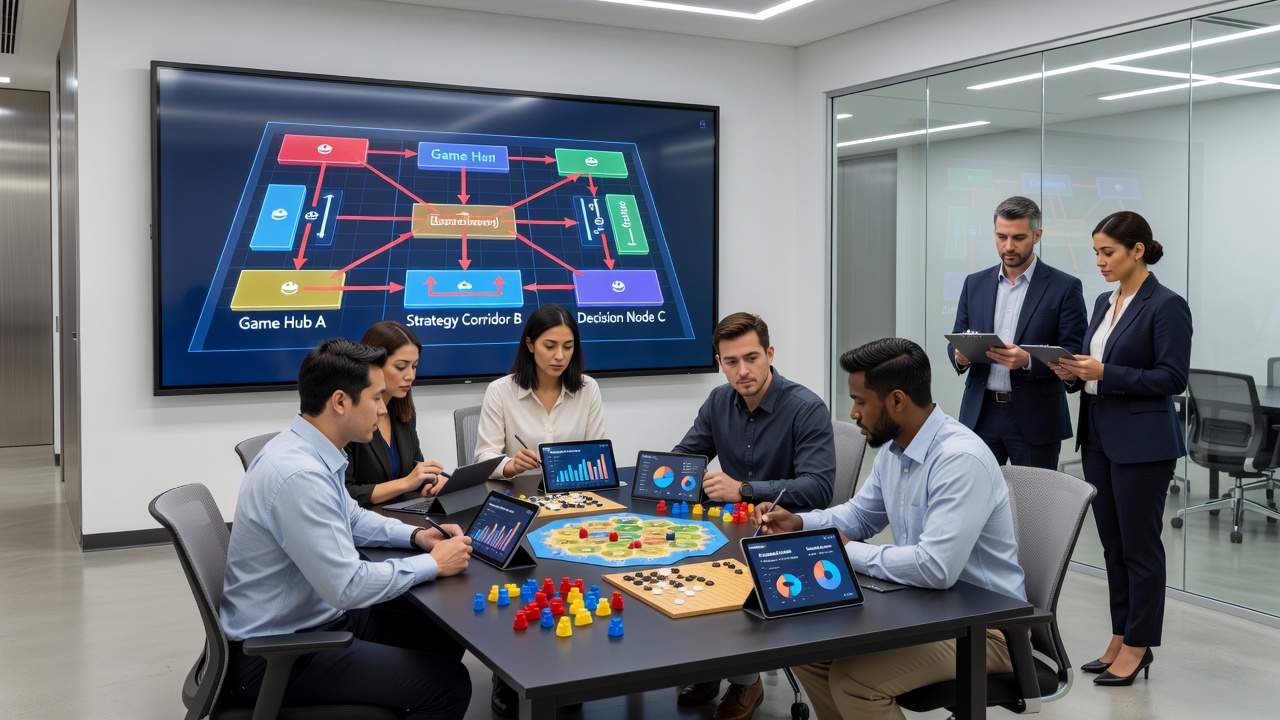
Venue layouts in environments offering slots, table games, sports betting, and other options play a measurable role in how participants move through spaces and select activities, according to research from institutions like the University of Nevada, Las Vegas. Observers note that strategic placement of pathways, lighting zones, and game clusters guides foot traffic toward high-traffic areas while creating natural pauses at specific stations, which in turn affects the sequence of decisions people make during a visit.
Data from the Nevada Gaming Control Board shows that casinos redesigned their floors between 2024 and 2025 to incorporate wider aisles leading from entrances directly to central sportsbooks, resulting in a documented 12 percent increase in initial sports betting engagement among arriving guests. Those who've analyzed traffic patterns find that curved routes rather than straight lines encourage longer dwell times at adjacent slot banks, since visitors encounter machines gradually instead of bypassing them in a direct line.
Core Elements of Layout That Influence Choices
Placement of anchor attractions such as progressive jackpot banks or live dealer pits establishes focal points that draw crowds and create secondary decision nodes, while researchers at the University of Macau documented how proximity between electronic table games and traditional poker rooms alters cross-participation rates. When these sections sit within 30 meters of each other, transition rates between game types rise noticeably compared with layouts that separate them by greater distances or physical barriers like bars or retail kiosks.
Lighting and sound zoning further refine these patterns, since softer illumination in lounge-style sports viewing areas encourages extended stays and repeat visits to betting windows, whereas brighter, high-contrast zones around video poker banks promote quicker transaction cycles. A 2025 industry report compiled by the Canadian Gaming Association highlighted that venues adjusting ambient noise levels near multi-game junctions observed shifts in average session duration, with quieter transitional spaces correlating to higher rates of players sampling a second game type before exiting.
Observed Patterns Across Game Categories
In multi-game settings, participants often follow predictable sequences shaped by entry points and sightlines, with data indicating that many begin with familiar low-stakes options before progressing to higher-variance activities positioned farther into the venue. Studies conducted in Australian casinos during 2025 revealed that when sports betting terminals occupy peripheral zones near restrooms or exits, engagement spikes during event breaks, whereas central placement increases incidental exposure throughout the entire visit.
Slot machine density along primary circulation paths tends to capture spontaneous play, while table game clusters benefit from semi-private alcoves that reduce visual competition from surrounding electronic options. Experts tracking behavior in Las Vegas properties noted that repositioning roulette and blackjack tables away from main thoroughfares and toward quieter corners increased average bet sizes per hand, as the layout reduced distractions and allowed sustained focus.
Regional Variations and Recent Developments
European venues have adopted hybrid models that blend digital wayfinding screens with physical layout cues, and reports from the Malta Gaming Authority indicate these additions helped redistribute player flows across gaming floors during peak evening hours in early 2026. In North American markets, operators have experimented with modular furniture arrangements that allow seasonal reconfiguration of sports betting lounges, enabling adjustments based on major tournament calendars.
June 2026 saw the release of updated design guidelines from the American Gaming Association that emphasized measurable outcomes from layout trials, including reduced congestion at high-demand stations and improved access to responsible gambling resources placed at natural decision points. Venues incorporating these recommendations reported clearer differentiation between recreational zones and high-intensity betting areas, which in turn affected how long individuals lingered in each section before making their next selection.
Measurement Techniques and Data Collection
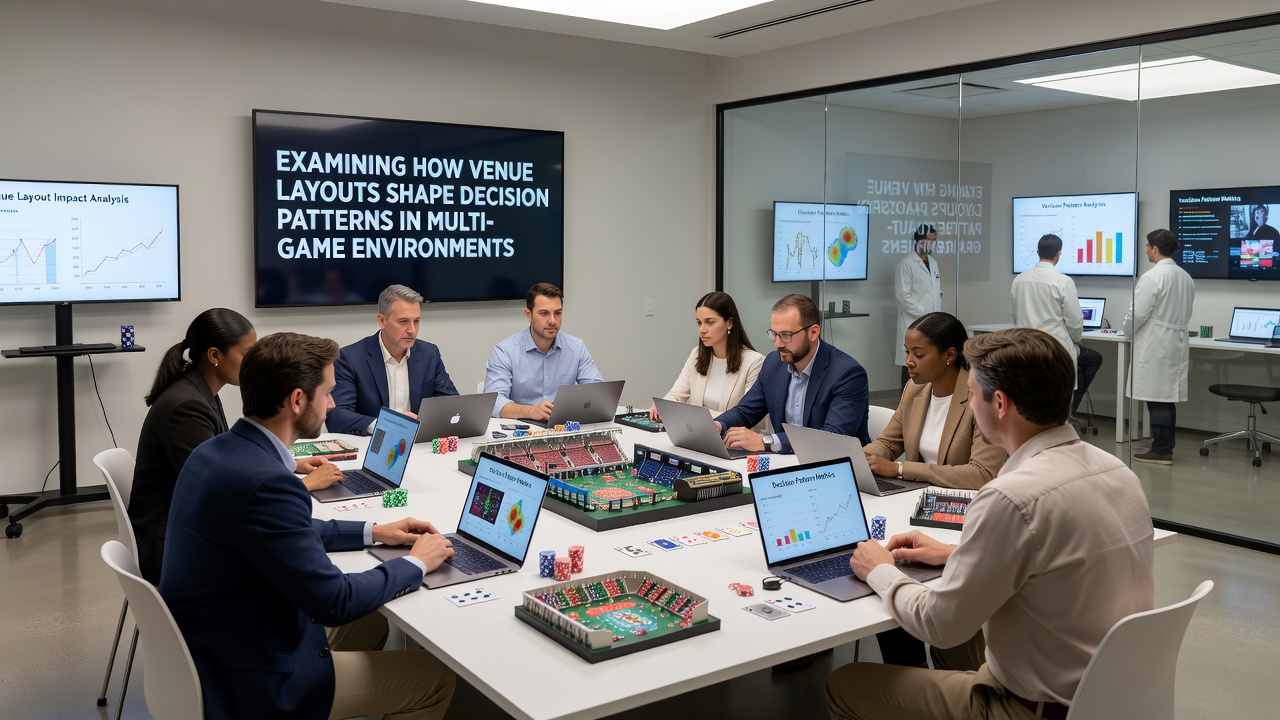
Modern analysis relies on heat mapping, RFID tracking of player cards, and anonymized transaction logs to quantify how layout changes alter decision sequences, while academic teams at institutions across Asia and North America have cross-referenced these datasets with survey responses to identify correlations between physical design and game-type preferences. One longitudinal project spanning multiple jurisdictions found that introducing central hubs with mixed offerings increased the likelihood of participants trying at least two distinct game categories during a single visit.
Operators also monitor queue formation and dwell times at key junctions to refine placement of amenities such as ATMs or information desks, since these secondary features can either reinforce or interrupt intended traffic flows depending on their positioning relative to primary gaming clusters.
Conclusion
Evidence from regulatory bodies, academic studies, and industry reports consistently demonstrates that venue layouts exert measurable influence on movement patterns and subsequent game selections in multi-game environments, with ongoing refinements continuing through 2026 as operators apply findings from traffic data and behavioral tracking across different regions.