 Regulatory frameworks across emerging markets continue to evolve through cross-border agreements and bilateral treaties that directly influence how digital poker tournaments operate. Observers note that these shifts often stem from efforts to align tax policies, player verification standards, and licensing requirements between neighboring countries, which creates ripple effects for platform operators and participants alike. Data from industry reports shows that such alignments have prompted operators to adjust entry formats, prize pool distributions, and scheduling to remain compliant while sustaining player engagement. In Latin America and parts of Southeast Asia, governments have introduced harmonized rules on cross-border data sharing since early 2025, and these measures require poker platforms to synchronize their tournament structures with updated know-your-customer protocols. Researchers at regional gaming institutes have documented cases where tournaments now incorporate staggered registration windows to accommodate varying national verification timelines. This approach allows events to proceed without delays even when participants join from multiple jurisdictions.
Key Policy Adjustments Across Regions
Countries like Brazil and India have rolled out revised gaming statutes that intersect with international agreements, leading operators to modify multi-table tournament formats. According to analyses from the Latin American Gaming Association, these changes emphasize real-time compliance checks during live events. Platforms respond by integrating modular software that adjusts buy-in levels and payout schedules based on the regulatory zone of each entrant.
Meanwhile, African markets including Nigeria and Kenya have seen similar policy movements through economic community pacts. These pacts standardize how digital poker events handle currency conversions and tax withholdings. Figures reveal that tournament organizers now schedule series in blocks that align with fiscal reporting cycles shared across borders, reducing administrative burdens for both players and hosts. Experts observe that this synchronization supports larger field sizes without increasing operational complexity.
Structural Changes in Tournament Design
Digital poker operators have adapted by introducing hybrid formats that blend local restrictions with international participation rules. For instance, events may cap re-entries differently depending on the player's registered jurisdiction, which maintains fairness while respecting each territory's guidelines. Studies from academic gaming research centers indicate that such tiered structures have increased retention rates among users in emerging economies.
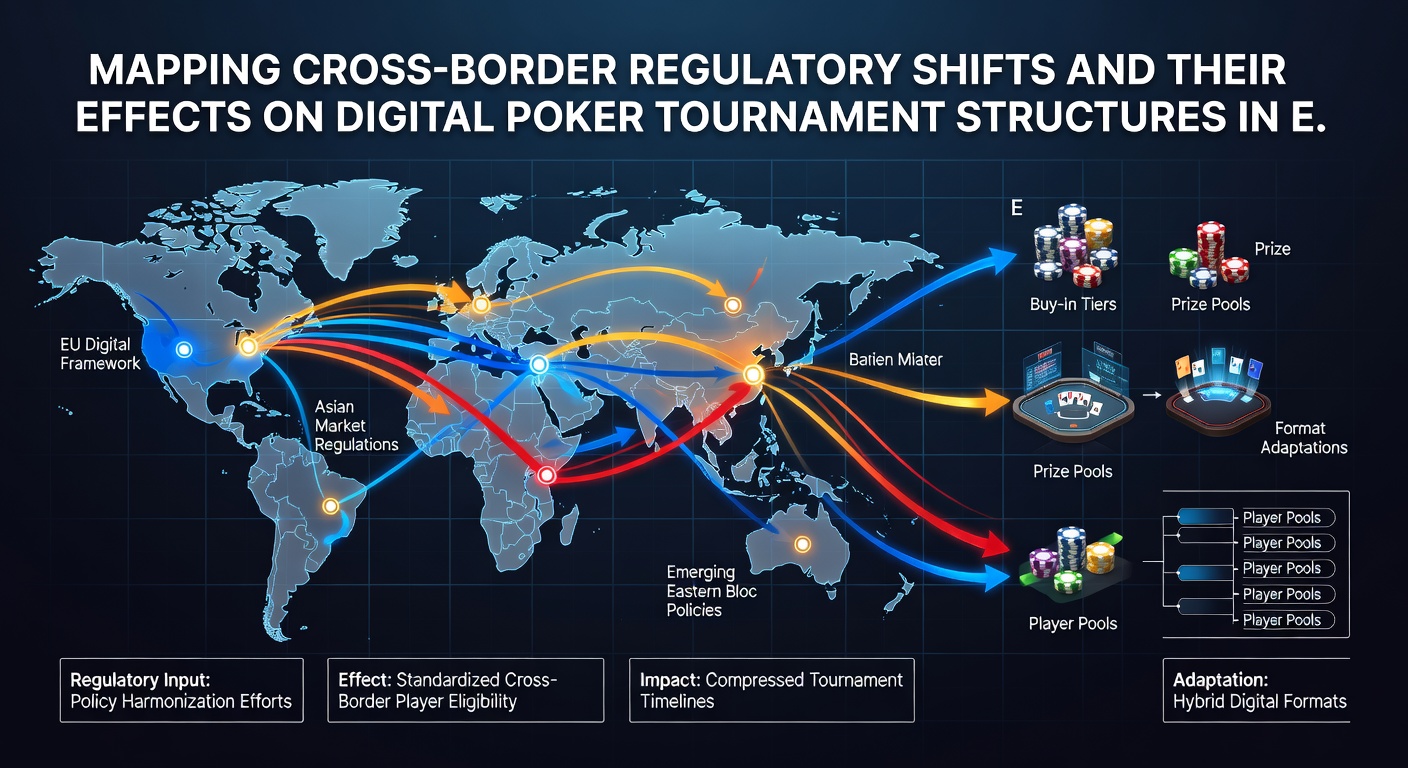
As of May 2026, several platforms have rolled out updated interfaces that flag potential compliance issues before tournaments begin. These tools draw from shared databases established through cross-border accords, allowing seamless verification across regions. Observers note that this reduces the frequency of mid-event disqualifications, which previously disrupted prize pool calculations. The result appears in more predictable event timelines and clearer communication of rules to participants from diverse markets.
Economic and Operational Impacts
Operators report that these regulatory mappings influence prize structures, with some events now splitting pools into regional sub-categories to align with local tax regimes. Research indicates that this segmentation helps platforms avoid penalties while still offering competitive overlays that attract international fields. Those who've examined participation data find that emerging market players engage more consistently when events offer flexible time zones and language support tied to bilateral agreements.
Platform providers have also shifted toward cloud-based architectures that enable quick updates to tournament parameters as new policies take effect. This flexibility proves essential in markets where regulatory announcements can occur with short lead times. Data shows improved uptime and fewer interruptions during peak tournament periods following these technical adjustments.
Future Outlook for Market Participants
Industry associations continue to track how ongoing negotiations between emerging economies might further refine poker tournament parameters. Collaborative efforts focus on standardizing dispute resolution mechanisms and anti-collusion measures that apply uniformly across borders. Participants benefit from clearer guidelines that reduce uncertainty around eligibility and winnings distribution.
Conclusion
Cross-border regulatory shifts have prompted measurable adaptations in digital poker tournament structures throughout emerging markets. Platforms incorporate compliance features, adjusted formats, and synchronized scheduling to navigate these changes effectively. Continued monitoring by regional bodies and research groups will shape how these events evolve in response to new agreements, ensuring operators and players alike maintain access to compliant, engaging competition.